
Elevating Component Performance with Advanced Surface Treatments #
Surface treatment is a critical step in modern manufacturing, enhancing not only the appearance but also the durability and functionality of materials. At DMS Group Taiwan, we offer a broad range of high-quality surface finishing options, tailored to meet the specific requirements of each application. Whether as part of our CNC manufacturing program or as a standalone service for previously delivered components, our solutions are designed to maximize value and performance.
Why Surface Treatment Matters #
Surface treatments go beyond aesthetics. They provide essential benefits such as corrosion resistance, improved wear properties, and the ability to meet industry-specific standards. Our commitment is to deliver:
- Maximum value through reliable processes
- Competitive and reasonable pricing
- Customization based on customer preferences
- Uncompromising quality
- On-time delivery
Our Capabilities and Results #
- 0.22% component reject rate
- 40% increase in repeat orders
- 40% cost savings in fulfillment
- 0.13% complaint rate
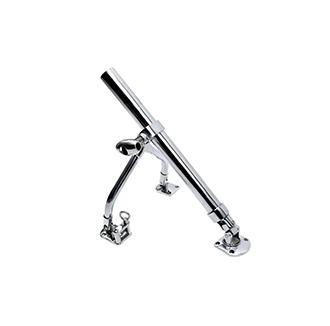
Sample Components #
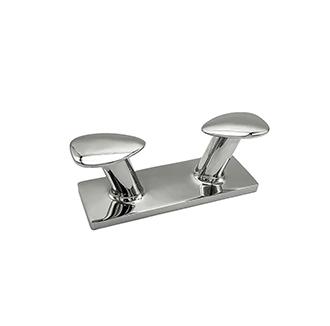
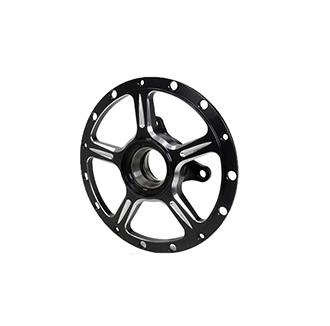
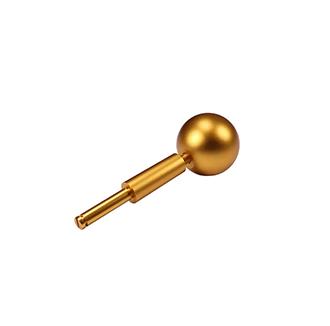
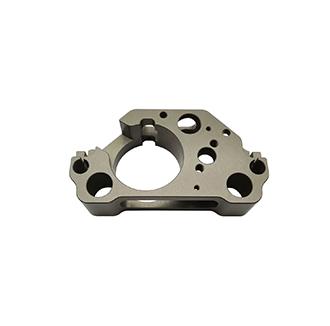
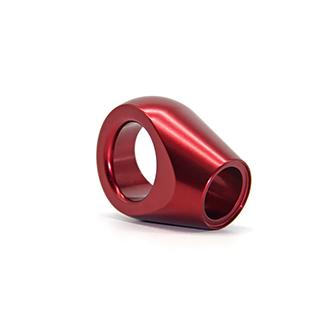
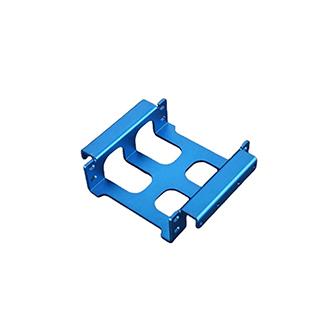
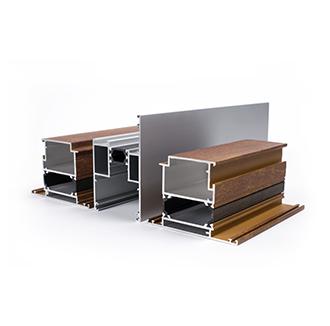
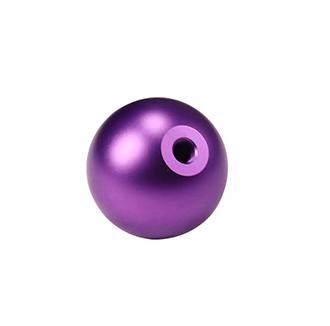
Surface Treatment Options at a Glance #
Chemical Surface Treatments #
- Pickling
- De-anodizing
- Degreasing
- Nitriding
- Plasma nitriding
Thermal Surface Treatments #
- Hot dip galvanizing
- Hot-dip tinning
- Hardening
- Boundary layer hardening
- Remunerate
Ablative and Forming Surface Treatments #
- Brushing
- Electropolishing
- Glass bead blasting
- Vibratory finishing
- Laser engraving
- Electro polishing
- Sandblasting
- Grinding
Electrochemical Coating (Electroplating) #
- Anodizing
- Electroless nickel
- Chromate
- Bright zinc plating
- Passivation
- Gilding
- Copper plating
- Galvanizing
- Tinning
Coating Without Electroplating #
- Burnishing
- Anodizing
- Chromate
- Paint
- Hard anodizing
- Oxidizing
- PTFE/Teflon coating
- Powder coating
Frequently Asked Questions #
What if your components came with eco-conscious packaging – without extra cost?
At DMS Group Taiwan, sustainability is standard. We use recyclable, minimal-waste packaging to help reduce environmental impact while ensuring your parts arrive protected and ready to use.
What is anodizing and why is it used?
Anodizing is an electrochemical process that thickens the natural oxide layer on metals like aluminum. It provides corrosion resistance, improves wear resistance, and allows for coloring. This is essential for parts exposed to harsh environments, such as aerospace or automotive applications.
What is the difference between polishing and buffing?
Polishing creates a smooth, shiny surface with a reflective finish, while buffing achieves a higher-gloss, mirror-like finish. Buffing is typically used for decorative purposes, while polishing is ideal for smoothness and friction reduction.
What is passivation, and why is it important?
Passivation is a chemical treatment that enhances the corrosion resistance of stainless steel by removing free iron from the surface, preventing rust and oxidation. It is commonly used in medical, aerospace, and food industries for parts requiring hygiene and long-term durability.
What is the benefit of a brushed (satin) finish?
A brushed or satin finish creates fine, uniform lines across the surface, giving it a matte look. It is especially suitable for stainless steel, as it reduces fingerprints, hides scratches, and adds a modern, professional aesthetic.
What is powder coating and why is it used?
Powder coating is a dry coating process where powder is applied electrostatically and then baked. It provides a thicker, more durable finish than liquid paint and is resistant to chipping, scratching, and fading, making it ideal for outdoor and industrial applications.
What is electroplating, and why is it important?
Electroplating coats a metal surface with a thin layer of another metal (e.g., chrome, gold) to enhance corrosion resistance, hardness, or aesthetic appeal. It is widely used in electronics, jewelry, and automotive parts for both protection and appearance.
Commitment to Quality and Sustainability #
We care for your parts through every step—from finishing to packaging—ensuring top-quality surface finishes and reliable performance. Our eco-friendly practices include reducing waste and using recyclable materials, because quality and sustainability go hand in hand.
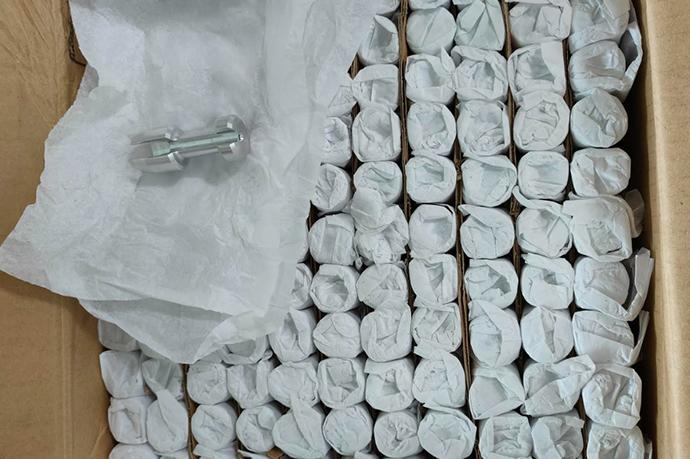
From Production to Delivery: Every Detail Counts #
Our dedication extends beyond manufacturing. We meticulously maintain part quality and performance from handling to delivery, with a strong focus on environmentally friendly packaging and processes.


Client Feedback #
“We greatly appreciate the exceptional service provided by you, great good looking CNC parts, which has significantly contributed to the success of our research projects and enabled us to achieve breakthroughs in record time.”
— Tony Fred, Senior Buyer
“Just want to say your outstanding service is super impressive. Your great job on our stainless steel bending case makes our espresso coffee grinder added value. It really makes it look nice, super well done.”
— Mich Stark, R & D Engineer
“DMS delivered our parts very fast with excellent quality that is what we are expecting, hopefully you will see our next order very soon.”
— Aline Turner, SR procurement
“Now I can say it is a right decision to move our production from China to DMS, you guys are awesome, all the marine pads looks shiny no scratch founded, it is 8% more expensive compare to China but quality talks, we will keep buying more items from you for sure.”
— Iris Joe, Engineering Designer
Transforming Ideas into Reality #
We are dedicated to turning your concepts into high-quality, finished components, with a focus on both performance and sustainability.